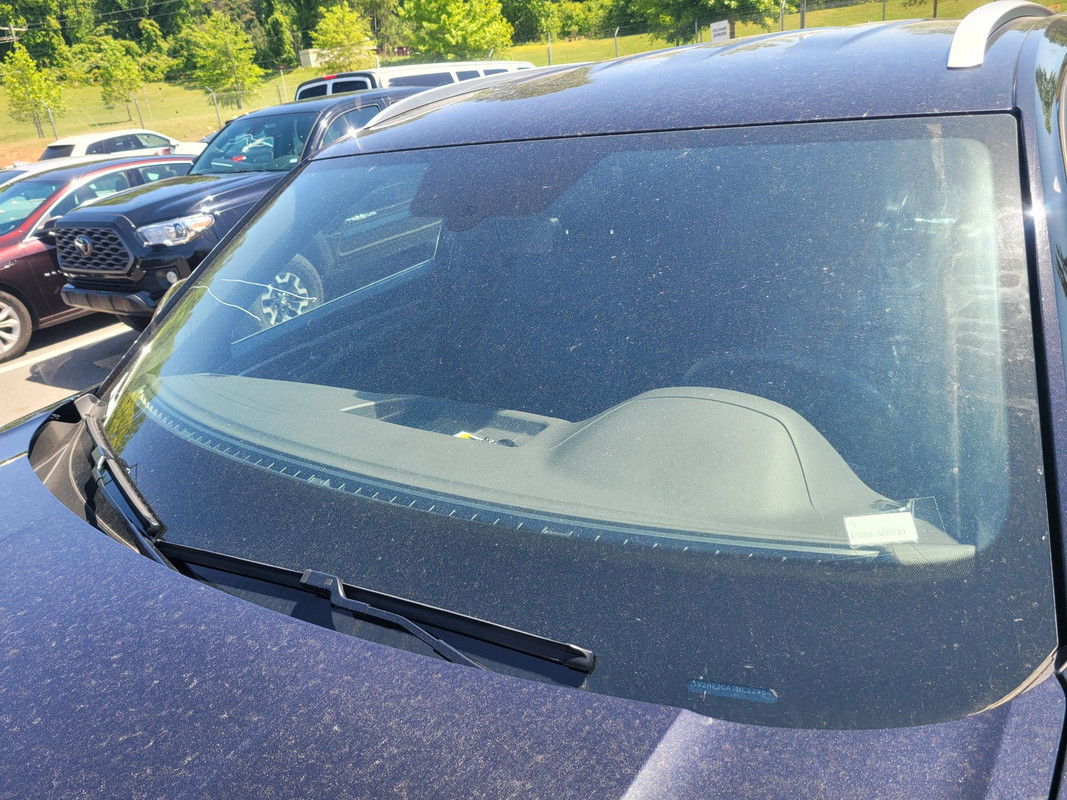
A cracked windshield or a shattered side window never waits for a convenient moment. In the Piedmont Triad, that usually means you notice the damage at a red light on Wendover or after a grocery run on North Main. The difference between a quick, clean fix and a headache that lingers for weeks comes down to who you call first. The best High Point auto glass repair shops have a way of making a bad day manageable. They answer the phone, give straight answers, and show up with the right materials, tools, and training. That may sound simple, yet in this industry, the gap between average and excellent can be wide.
This guide draws on what seasoned techs notice in the field and what customers feel at the curb. You will see what differentiates the top crews in windshield replacement High Point, side window replacement High Point, and mobile auto glass High Point. You will also understand why ADAS calibration High Point is not optional on modern vehicles, and how to tell if a shop is equipped to handle it without farming the job out or cutting corners.
What quality looks like when a tech steps out of the van
When a technician arrives, you can tell within two minutes whether they know their craft. The uniform may be clean, but the signals go deeper. A veteran carries a kit with a clear order: glass racks padded and strapped, urethane locked in a temper-controlled case, primers capped, a calibrated power caulking gun, pull cords or wire-out tools, and most critically, a light touch around your paint and A-pillars. You will see them pause to inspect the pinch weld for rust, measure the gasket and molding width, and confirm the glass part number matches your VIN, not just the make and model. That sort of discipline shows up later as a quiet cabin and a leak-free seal.
I watched a top-tier crew tackle a late-model RAV4 after a stone chip spidered in a cold snap. They never rushed the prep. They covered the dash and seats, tucked protective pads under the wiper arms, and used a mirror to check the underside of the pinch weld. The glass was set with a two-person equal-lift method and a simple visual cue, no drama. The difference was audible. The owner took the car on Business 85 later that day and texted the shop that the wind noise was gone. That did not happen by accident.
Materials matter more than most ads let on
Urethane and glass are not commodities. The best shops quietly spend more on both. They source OEM or OEM-equivalent laminated glass for windshields and tempered glass for side and back windows with tight optical tolerances. Cheap glass often waves when you look at a distant stop sign through it. That optical distortion seems minor until your lane departure camera stares through it all day. Distorted inputs lead to misreads and false alerts.
Adhesive is the other half of safety. A windshield is a structural member, keeping the roof from collapsing and anchoring the passenger airbag. Quality urethane with the correct modulus and a verified safe-drive time is non-negotiable. High Point summers punish adhesives left in a van. Good shops store urethane upright, rotate inventory by date, and note installation temperature so they can give you a realistic wait time before driving. I have seen two-hour safe-drive times stretch to four when the mercury drops. Honest shops explain that and stick to it.
Primers are not decorative. They prevent corrosion in the pinch weld and help urethane bond to both body and glass. Skipping primer on a bare metal spot can cost a car years down the road. You rarely see the damage until rust bubbles under the paint near the glass. Pros do not skip steps because a slot is tight.
Training that keeps pace with the car you actually drive
Glass work looks straightforward on older cars. Strip, cut, clean, glue, set. Modern vehicles hide sensors, antennas, rain sensors, humidity sensors, and cameras behind the glass. A technician who learned on a 2002 sedan, then never retrained, will struggle with a 2023 SUV.
Look for shops that invest in certifications and keep them current. Industry bodies publish standards for everything from cut-out methods to adhesive cure times. That matters when a shop has to make a judgment call, such as saving a trim piece versus replacing it to maintain the correct stand-off for a camera bracket. A top-rated windshield replacement High Point provider will show proof of training, not just a logo on a wall.
Door glasses and quarter windows carry their own traps. German sedans hide regulator bolts behind vapor barriers that must be resealed. If the tech tears the butyl seal or forgets a clip, you get a wet floorboard and fogged glass come fall. The best side window replacement High Point teams bring model-specific fasteners, panel tools that avoid marring, and fresh vapor barrier material. They do the extra pass with a flashlight before reinstalling the panel, checking for loose glass crumbs in the bottom of the door where they can rattle or scratch.
The real meaning of mobile auto glass in High Point
A mobile van is not a rolling billboard, it is a rolling workshop. The shops that do mobile auto glass High Point right set boundaries so quality does not suffer. If wind speeds are high or rain is imminent, they will reschedule or ask to use your garage. They carry pop-up shelters but know their limits. Adhesive bonding hates moisture and dust. It is better to wait than to hand the keys back with a bond that will fail early.
Scheduling is another flag. Great mobile crews do not stack ten jobs into a day with citywide coverage and wishful traffic estimates. They cluster by area, keep a buffer for mishaps, and show up when they say. If the wrong part appears when they open the box, they tell you in five minutes, not five hours. Responsiveness beats perfection every time because perfect plans rarely survive a cracked fastener or the wrong rain sensor bracket.
I have also seen shops split their techs by role, with at least one person specializing in recalibration and post-install diagnostics. That keeps the work moving and reduces the odds of a “we need you to come to the shop tomorrow” surprise after an on-site windshield replacement.
ADAS calibration is where amateurs tap out
Here is where modern glass work gets serious. If your vehicle has a forward-facing camera behind the windshield, that system needs calibration after the glass is replaced. Automakers differ on the procedure, but the principle holds. Move the lens even a millimeter and the software must learn its new position relative to the vehicle.
Static calibration uses targets and measured distances on a level surface. Dynamic calibration relies on a road test at specific speeds under certain conditions so the system can relearn. Some vehicles require both. A top shop invests in OEM-level or high-quality aftermarket calibration equipment, keeps a flat, well-lit bay, and learns the nuances by brand. They document the process with printouts or digital certificates and hand those to you. More importantly, they verify that the dash shows no warning lights and that features like lane keeping, adaptive cruise, and forward collision warning behave normally during a controlled test drive.
The hard truth is that a number of general glass installers rely on nearby dealerships to calibrate. There is nothing wrong with subletting when done transparently, but it adds time and coordination. The best ADAS calibration High Point providers either perform calibrations in-house or manage the sublet so well that you never feel it. They also know when not to calibrate, such as when a suspension fault, tire size change, or bent bracket makes a good result impossible until other repairs occur. You want that level of judgment at the counter, not after your third visit.
OEM versus aftermarket glass, and what “quality” actually buys you
People often frame the choice as OEM good, aftermarket bad. Reality is more nuanced. OEM glass carries the automaker’s brand and matches the original optics, frit band, and acoustic laminate. Aftermarket glass ranges from excellent to mediocre. Some aftermarket manufacturers are the same companies that supply OEM, just without the automaker logo.
Pay attention to three attributes: optical clarity, acoustic layer, and accessory compatibility. If your original windshield has an acoustic interlayer, the right replacement should, too. Otherwise, you will hear more road noise on Greensboro Road at 55 mph, and you won’t know why. If the glass supports a heated wiper park area or a specific rain sensor mount, the part must match. A skilled shop will ask about these features and pull your VIN to confirm. They will lay the new glass next to the old and check hole patterns and frit shape before cutting out the original.
A money-saving tip that does not sacrifice safety: on mainstream models, top-tier aftermarket glass from a reputable maker often performs on par with OEM. The key is to let the shop recommend brand lines they trust based on field results, not just price sheets.
Speed, safety, and the myth of the 30-minute windshield
Speed is a selling point, but speed without process is a trap. A proper windshield replacement has a rhythm. You protect the interior, cut the glass cleanly to avoid paint damage, remove adhesive to the right thickness, treat any scratches or bare metal, dry-fit the new glass to confirm alignment, apply primer and urethane per the manufacturer’s spec, set the glass in a single controlled motion, and verify bead contact all around. Then you allow for the specified safe-drive time. On a warm, dry day with a fast-cure urethane, that might be one to two hours. In cold or wet conditions, expect longer. The best shops explain this calmly and stick to it. They would rather reschedule than compromise a safety-critical bond.
A rushed job often reveals itself in little ways. Wind noise at highway speeds. A faint chemical smell weeks later because the wrong urethane was used. Molding that sits proud or a gap in a corner where the bead did not touch. Water testing with a hose after install takes minutes and tells you a lot. Excellent techs still do it.
Service that respects your time and your car
Top-rated providers earn their reviews with the boring part of business: communication. Before the work, they ask the right questions. Is there a camera behind the glass? Do you have heads-up display? Is there rust around the frame? Are you filing through insurance, and if so, do you want them to handle the claim? That intake prevents surprises.
When the work is done, they do a walk-around with you. They point out fresh trim, return old parts if you want them, and review aftercare: when to remove tape, when it is safe to wash the car, whether to avoid slamming doors for a day to reduce pressure spikes. Small things, yet they signal respect. They also keep the car clean. A bit of tempered glass dust hides in every door; pros vacuum and magnet-sweep until it is gone.
Warranties vary, but the best are clear: lifetime coverage against leaks or stress cracks caused by installation, with parts coverage tied to the manufacturer’s terms. If a leak shows up in the first rain, they make time for you quickly. That after-the-sale attention marks the shops that last.
Insurance, claims, and shop choice in High Point
North Carolina allows you to choose your repair shop. Insurance networks often steer you to a national provider. Sometimes that works fine. Other times, the local specialist outperforms because they know the quirks of your model and can accommodate your schedule downtown or near Emerywood. A helpful shop will explain your options and, if you wish, submit the claim, coordinate with the insurer, and collect your deductible on-site. They will also be honest about rates if you pay cash. On straightforward side window jobs, the cash price can rival your deductible, especially if you avoid a claim that might affect premiums later.
One note on windshield repair versus replacement: small chips, under the size of a quarter, often repair well and retain the factory seal. The best technicians will recommend repair when safe, not push replacement for revenue. You keep structural integrity, save time, and avoid recalibration in some cases. If the chip lies in a camera’s field of view or the driver’s critical sight zone, replacement remains the better call.
Edge cases that separate the pros from the rest
Sunroof glass and panoramic roofs: Tempered panels require careful handling and often come preframed. Replacing them demands meticulous adjustment to avoid wind roar or water intrusion. The shop must check drains, not just the panel. If you suffer a leak after a rainstorm and glass seems fine, clogged drains might be the culprit. Good shops will tell you and clear them while they are there.
Classic or rust-prone vehicles: Cutting out glass on a car with marginal paint or prior bodywork raises the risk of lifting paint or exposing rust. A quality shop flags the risk, photographs the area before cutting, and discusses mitigation steps. They will have rust-treatment primers on hand and will not promise perfection where metal is already compromised.
Tinted and acoustic layers: Installing a windshield with the wrong interlayer can change cabin sound in subtle ways. If your car came with an acoustic windshield, retain that spec. And if you plan tint on side windows after replacement, give the film time to cure. A good shop will tell you how long to wait, and a great one will know which film brands play well with specific window substrates.
Fleet and commercial vehicles: Vans and box trucks often carry unique glass and gasket systems. Mobile service for fleets demands inventory planning and sometimes after-hours work to keep vehicles earning. The best shops offer a plan, not just a price, including VIN-based part stocking for common failures.
What to ask before you book
A brief, focused conversation saves you repeat visits and guesswork. Use these questions to gauge whether a shop belongs in the top tier.
- Can you perform in-house ADAS calibration on my make, and will you provide documentation? What glass brand will you install, and does it match my original features like acoustic layer or rain sensor bracket? Which urethane do you use, and what is the safe-drive time for the conditions expected on my appointment day? Do you warranty leaks and stress cracks from installation for as long as I own the vehicle? For mobile auto glass High Point service, what weather and site conditions do you require to ensure a proper bond?
Listen less to the sales pitch and more to how clearly and confidently they answer. Specifics beat slogans.
The local factor: roads, weather, and the way High Point drives
Our roads shape our needs. Construction zones near Highway 68 and I-74 toss grit and debris that chip windshields. Heat cycles from summer sun to evening thunderstorms stress cracks at weak points. Potholes on side streets send a shock through the chassis, which travels to the glass. A shop that sees these patterns knows where to look for secondary damage and can coach you on prevention. Simple habits help: easing door closures the first day after install, avoiding automated car washes for 48 hours, and repairing chips within a week before thermal changes spread them.
Local knowledge also reduces downtime. If you need side window replacement High Point after a break-in, a shop that stocks common door glasses for Honda, Toyota, Chevy, and Ford can finish same day. They will also replace shattered tempered fragments that hide in power window tracks, where they can grind a regulator into failure. That detail saves you a second repair bill later.
Price signals and where it pays to spend
You can find a wide spread on quotes for the same job. The cheapest price often omits parts like moldings, does not include calibration, or uses a slow-cure adhesive that traps you at home longer than you planned. The highest price may reflect OEM glass and a robust warranty backed by a shop with ADAS equipment on site. Neither extreme guarantees value.
Aim for transparent quotes that list the glass brand, molding or clip kits if needed, calibration method, mobile fee if any, taxes, and the safe-drive time expected. If a shop cannot or will not itemize, keep looking. When you consider that a windshield anchors an airbag and affects camera performance, paying a fair premium for proven materials and training makes sense.
A final word on what “top-rated” truly means
Reviews tell part of the story. The rest appears in the work. The top-rated teams in High Point auto glass repair are not just polite on the phone. They respect the structure of your car, understand the systems attached to the glass, and follow procedures that hold up in heat, rain, and time. They balance speed with craft. They explain choices without jargon. They invest in ADAS calibration High Point capabilities because today’s windshields demand it. They keep their mobile auto glass High Point service honest, rescheduling rather than risking a poor bond on a bad weather day. And when you need side window replacement High Point after a theft or a Windshield replacement High Point storm, they move with a mix of urgency and care that gets you back on the road without lingering issues.
If you take nothing else, take this: ask about materials, methods, and calibration. Ask how they will protect your paint and your interior. Ask what happens if you notice a whistle at 60 mph or a damp headliner after the next storm. The right shop will welcome those questions. Then, when a pebble flips from a dump truck on South Main and your windshield pays the price, you will know exactly who to call.