If you have never scheduled an auto glass replacement before, picking a time slot might feel trivial. It is not. The hour you choose affects cure times, drive-away safety, glass handling, cleanup quality, and even the likelihood that a tech can save your rain sensor or windshield-mounted camera without hiccups. That becomes even more important when your vehicle sits outside, you rely on it for work, or your week is already tight. I have spent years coordinating mobile jobs, shop installs, recalibrations, and rain-soaked emergencies. The customers who walked away happiest weren’t just the ones who got a fair auto glass quote, they were the ones who picked a time that fit the glass, the adhesive, the weather, and their day.
This guide walks through how to choose the right appointment window, with practical details you can use whether you search for auto glass near me and want it handled tomorrow, or you are negotiating a windshield quote for a luxury SUV with cameras dotted along the glass. Small scheduling decisions make a big difference once sealants, sensors, and schedules collide.
Why timing matters more than most people think
Glass replacement is not just swap-and-go. The urethane adhesive that bonds your windshield to the body needs time, temperature, and humidity in the right ranges to cure correctly. Those variables change by the hour. A noon appointment on a mild day is not the same as a dawn appointment in freezing air or a steamy summer evening. Cure speed dictates when you can safely drive, and safe drive-away time is not a marketing line. Your windshield is a structural component. During a crash, it helps keep the roof supported and allows airbags to deploy against it. Rushing the cure or driving off too soon is not worth shaving an hour from your day.
There is also the human side of timing. A good tech will slow down on problem cars, spend an extra 15 minutes cleaning up glass dust, or carefully swap over your rain sensor gel instead of ripping it off. Those touches show up in quiet time slots more than overbooked afternoons. Appointment timing can buy you care and attention.
The clock that adhesive runs on
Modern automotive urethanes list safe drive-away times from about 30 minutes to several hours, depending on temperature, humidity, and the adhesive formula. Fast-cure products promise 30 to 60 minutes in the sweet spot, usually between roughly 70 and 85 degrees Fahrenheit with moderate humidity. The same tube used at 40 degrees in dry air may need two to four hours, sometimes more. Shops calculate this window before they give you the keys, but your appointment choice can set them up for the best result.
If you’re browsing for an auto glass quote and comparing shops, ask two questions up front: what urethane do you use, and what is the drive-away time forecast for the conditions at my appointment time? Good shops will answer confidently and adjust scheduling around weather. If the person on the phone fumbles those numbers, proceed carefully, even if the windshield quote is tempting.
Morning, midday, or late afternoon
The simplest way to pick a slot is to think about heat, humidity, and your parking situation.
Morning appointments have cooler air, which can slow curing in cold seasons but also offer quiet bays and fresh techs. In winter climates, some shops turn away the earliest outdoor mobile jobs because the body flanges and glass start out too cold. If you live where frost sticks until midmorning, book late morning or early afternoon, at a shop if possible, so your vehicle and the glass warm up.
Midday, especially on mild or warm days, hits the adhesive’s sweet spot. The dash is warm but not scorching, humidity is stable, and your drive-away time tends to be shortest. If you can spare your car over lunch, this is the most forgiving window.
Late afternoon can be a mixed bag. In summer, it may still be hot enough to push out a quick cure, but you risk bumping against closing time or the day’s backlog. If a camera recalibration runs long or a sensor mount needs extra gel time, a late slot pushes handoff into the margin. That is fine if the shop is flexible, less ideal if you need the car by a fixed hour. In winter, Seneca car window glass replacement late afternoon to evening means the temperature drops just as you leave, which can slow the last stretch of cure while you drive. If you must go late, ask for an indoor bay and plan for a little extra time.
Mobile replacement versus shop appointments
Mobile auto glass replacement is convenient, especially if you searched auto glass near me and found a van that can come to your office. It works well for simple windshield replacement or side glass on common models. There are limits. Adhesives are happier in controlled temperatures, and delicate sensor transfers feel less rushed on a clean bench than under a tree.
Shops have proper lighting, glass racks, and wind-free bays. They handle stubborn clips and deep urethane beds faster because the tools are always at arm’s reach. If you have a vehicle with a camera behind the windshield that needs static or dynamic calibration, the shop often finishes both the glass and the calibration in one go. That keeps you from doing a second appointment at the dealer. If you book a mobile appointment for a car that clearly needs calibration, plan your time carefully and ask whether the mobile team can complete the calibration where the car sits. Not all can.
In rough weather, a shop is the obvious choice. Wind lifts dust onto fresh adhesive. Rain can pool at the pinch weld if the trim is off for too long. Cold lingers along the steel flange and drags out cure times. A heated bay avoids all of that.
Weather, garages, and shade
The right time on the wrong surface still leads to problems. On hot days, a black dash turns into a griddle. Set your car in direct sun through a giant windshield, and the glass can get too hot to handle comfortably. Techs will often move the vehicle into shade or face it away from the sun. If your driveway bakes after noon, a morning appointment is easier. If the only flat spot is in full sun at 9 a.m., push later and pull the car into a garage if you have one.
In the rain, tenting helps, but it is not magic. Even light drizzle can find its way down the A pillar and into the channel the urethane is about to fill. A carport or an open garage door with room to maneuver makes a big difference. On windy days, grit floats and sticks to the bead. Shops will sometimes reschedule mobile jobs on gusty afternoons for this reason.
Cold weather needs a plan. Urethane sticks best to warm surfaces. A heated shop is ideal. If mobile is your only option, pick the warmest part of the day, park out of the wind, and ask the tech to pre-warm the glass and use a cold-weather adhesive formula. Expect longer drive-away times.
Sensors, ADAS, and recalibration time
Many newer vehicles have forward-facing cameras behind the windshield. Replacing the glass typically requires a camera calibration. Some cars need a static calibration with targets at set distances in a controlled bay. Others need dynamic calibration, which means a road drive at specified speeds and conditions, often without dense traffic or poor lane lines.
This is where appointment timing becomes a puzzle. A good shop will assess your car by VIN and tell you whether calibration is needed and which type. Static calibrations take longer in setup but are predictable once the bay is free. Dynamic calibrations require a road loop with clear markings. Booking too late in the day can push you into dusk or heavy traffic, which may prevent the calibration from completing. If your car needs a dynamic procedure, aim for a late morning or early afternoon slot with enough daylight. If you need both glass and static calibration, make sure the shop has an open bay window after the install. A squeezed schedule is the fastest route to a second appointment.
If you are comparing places after a quick auto glass quote, ask whether the quoted price includes calibration, who performs it, and how long they reserve in the schedule. A cheaper windshield quote that pushes calibration to a different day can cost you more in time.
Commuter realities and drive-away planning
Your life matters more than the adhesive’s datasheet. The best appointment time is one that fits your commute, childcare, and meetings without tempting you to drive early. If you need the car at 3 p.m. sharp, do not book a 1:30 p.m. slot. Even a short job can run long when a clip breaks or a rearview mount fights back.
Leave margin. If the shop estimates a 90-minute install plus 60 minutes of cure, give yourself a four-hour window. That buffer includes the possible sensor recalibration and the final cleanup. When people call asking for a noon slot and insist they have to leave by 1:30, I steer them to another day. It is kinder than sending them off with a half-cured bond.
If you are choosing mobile at a workplace, loop in facilities if your parking area has security or access gates. A tech van with racks needs space to stage. Ask for a corner with shade or a spot near an outlet if they use powered tools. The fewer hiccups on arrival, the more time remains for careful work.
Glass delivery, prep, and the hidden clock
Behind the scenes, timing also depends on glass availability. The shop might have your windshield in stock, or they might need to pull it from a warehouse across town. Some vehicles split by build month, sensor bracket, or acoustic layer. If the wrong part shows up, the day slips. When you call for an auto glass quote, give the representative your full VIN and ask them to verify the part number and any attached hardware. The best time slot in the world will not save a job if the rain sensor bracket on the replacement glass is wrong.
For rare models, plan ahead. I have seen windshields for certain European vans take a week to arrive. If your car sits outside with a growing crack, you may want a temporary resin injection to slow the spread while you wait for the full replacement. That calls for an appointment as soon as you spot the delay, not after the glass lands.
Common day-of timing traps and how to avoid them
Rushing prep leads to missed trim clips, leftover glass dust in the defrost vents, or a mirror cover that never quite snaps back. Most of those problems show up when the time slot is tight or stacked behind a late-arriving vehicle. Shops try to buffer their schedule, but traffic and parts deliveries rarely listen.
If you care about a meticulous job, pick a time when the shop is not hurrying toward closing and is not just opening the doors. Mid-morning slots tend to be steady. If you go late afternoon, call ahead to confirm they are still on time. If you must do the first appointment, arrive five minutes early so the tech can prep the bay and walk the car with you.
A final trap is temperature swing. In summer, a 10 a.m. install might cure beautifully in the bay, then the car sits in a blast-furnace lot at 2 p.m. with the windows closed. The pressure from expanding air inside can stress the bead or push on a fresh gasket. Crack a window a finger’s width if the forecast spikes.
What your tech wishes you knew before you pick a time
From the installer’s side, certain small actions make the appointment go smoother and faster. Clear the dash and front seats. Remove the toll pass and old inspection stickers you plan to replace. Bring your updated registration sticker if your state requires one to be transferred. If you have a dashcam stuck to the glass, decide whether to re-stick it yourself or have the tech help. These details are not about being tidy, they are about shaving unpredictable minutes that can wreck the schedule for both of you.
If you know your car has after-market moldings or a prior glass job with thick butyl or heavy urethane buildup, mention it when you book. The shop can pad the time and assign a tech who has patience for cleanup. That beats the tech discovering a quarter-inch of old adhesive while the next appointment waits in the lot.
Getting a realistic quote tied to a realistic slot
Price shopping is normal. When you call for an auto glass quote, focus on what the number includes and when the shop can schedule you, not just the bottom line. A slightly higher windshield quote that bundles OEM glass, proper calibration, and an indoor bay tomorrow can be worth far more than a rock-bottom price a week out, especially if your crack is creeping.
Ask for specifics. Is the glass OEM, OEE, or aftermarket? Does the price include the rain sensor gel pad, clips, and calibration? Are there fees for mobile service? What is the estimated safe drive-away time for the time slot you are considering? Get those answers written into the work order if possible.
If you have not picked a provider and you are typing auto glass near me into a map search, look for reviews that mention timing accuracy and clean handoffs. Comments about technicians waiting out a rain shower rather than rushing, or about a shop calling a customer to move a mobile job into the bay because of wind, point to a team that respects the clock the adhesive runs on.
Special cases worth planning around
Electric vehicles add weight and sometimes extra steps to power down systems near the glass. Some EVs require sensor resets after battery disconnects. That pushes appointment length and leans toward shop installs where a battery maintainer and scan tools live. Choose a time that allows a methodical power cycle and a post-repair scan, not a rushed turnover.
Luxury vehicles with acoustic glass and embedded antennas can require careful part matching. Those windshields often include trim pieces or top moldings that must be transferred without distortion. The install is not necessarily hard, but it is fussy. Pick a slot where the senior tech is available and the bay is open.
Fleet vehicles and work vans usually carry tools and shelving that rattle. Removing glass dust from those interiors takes longer. If it is a mobile appointment at your yard, stage the van in a clear spot the night before and try for a morning slot. The tech can work while the crew organizes the day.
If your windshield chip is turning into a crack and the weather swings from hot afternoons to cold nights, schedule sooner rather than later. Thermal expansion usually makes a small crack run when the sun hits the glass or when the temperature drops fast at dusk. Waiting for a Friday afternoon slot can turn a small repair into a full replacement right before the weekend.
A simple timing checklist you can keep handy
- Match the appointment window to the weather, aiming for mild temperatures and low wind. Leave at least 2 to 4 hours free, more if calibration is required. Prefer shop installs for rain, high wind, cold snaps, or ADAS calibration. Ask for the predicted safe drive-away time based on the hour you choose. Confirm whether calibration is included and when it will happen in relation to the install.
Post-install timing: the first day matters
After you leave, your habits for the first 24 to 48 hours protect the work. Avoid slamming doors, which pressurizes the cabin and can push on the bead. If you can, crack a window a touch while parked in the heat. Skip the high-pressure car wash for a couple of days so the moldings seat fully. If the shop taped the edges, follow their instructions on when to remove it. Tape is not a fashion statement, it is there to keep trim from lifting before the urethane sets.
If the job included a camera calibration, the shop should provide a report or confirmation. Some dynamic calibrations finish with a test drive that shows all green in the scan tool. Others print a static calibration sheet. Ask for a copy. Keep it with your records, particularly if your insurance paid for the work.
Insurance timing and approvals
If the repair goes through insurance, approvals can shape your appointment choices. Carriers often have networks and preferred shops, which can speed scheduling and payment. If you want a specific shop, call both the shop and your carrier. The shop may handle the claim and find an earlier slot than the call center offers. If you are paying out of pocket to avoid a claim, say so, and ask if paying cash changes scheduling flexibility. Sometimes it does.
Documentation can move quickly if you have your policy number, claim number, and deductible handy. Take photos of the damage and the VIN tag before you call. That reduces back-and-forth and lets the shop order glass without delay. Time saved here turns into better appointment options.
How far ahead to book
For common vehicles, one to three days’ notice is often enough, sooner in fair weather, later during a cold snap when everyone schedules at once. For vehicles with special glass or where calibration requires specific targets, a week ahead gives the shop room to stage equipment and staff. If your schedule is tight, book the slot first, then ask the shop to call when the glass arrives to confirm. Most will.
If you are trying to squeeze the appointment between business trips, leave a shadow day in case the glass delivery slips or calibration needs a second pass because of road conditions. Nothing irritates more than a domino effect from a calendar that assumed every minute would go right.
Finding a time that actually sticks
When customers ask me for the best time, I start with three questions: where will the car sit during the job, what does the day’s weather look like, and does the vehicle need calibration? After that, I look at their day. If they say they can hang out with a book, I suggest midday at the shop. If they need to work and have a shady parking spot, I suggest a morning mobile. If the forecast shows wind or rain, I nudge them toward the bay and a flexible slot.
The perfect appointment time balances curing conditions, shop capacity, and your real schedule. It is not about getting on the calendar first, it is about leaving enough runway for the job to be done right, without you watching the clock and without the tech feeling squeezed. If you frame your request that way, the person on the other end of the phone will often go out of their way to find the right hour.
A quick word on searching and pricing
If you start with a search for auto glass near me, you will see a mix of national brands and local shops. Both can do excellent work. The best signal is how they talk about time. Do they ask where the car will be during the install? Do they bring up weather, safe drive-away time, and calibration? When you ask for a windshield quote, does it show the glass type, sensor transfers, and taxes, or just a vague total? Transparency on the phone usually translates into better scheduling and fewer surprises on the day.
If two places give you an auto glass quote within 25 to 50 dollars of each other, choose the one that offers a time window that protects the adhesive and your calendar. The dollars you save with a worse slot evaporate if you have to return for a wind noise fix or a sensor warning light.
When you cannot wait
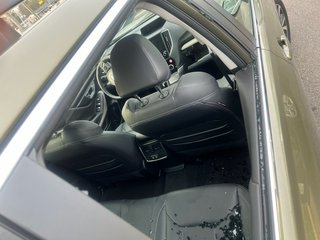
Life is messy. Sometimes the glass shatters on a road trip or the crack jumps across your line of sight and the car is not safe to drive. In those cases, speed beats ideal conditions. Call for the earliest shop bay you can get, ask about the fastest safe adhesive for the day’s temperature, and accept a longer wait in the lobby so the cure reaches a true safe drive-away. If it is raining or near freezing, try not to push for a mobile install outdoors unless the shop can set a tent and has a plan to pre-warm the surfaces. If your route home includes pitted gravel, ask for a path with smoother pavement while the bead is fresh.
You can still control small things. Clear the interior. Bring a book. Let the tech take the time they need for a clean bead and a careful sensor transfer. Even on a bad day, a thoughtful hour choice can keep a headache from turning into a second visit.
The bottom line on picking your hour
The right appointment time for auto glass replacement sits at the intersection of adhesive chemistry, weather, your vehicle’s tech, and your day. Mild midday hours make urethane happy. Shops provide better control than driveways when wind, rain, or sensors come into play. Calibration needs daylight and bandwidth. Leave margin. Ask good questions when you seek a windshield quote so you understand what the time slot implies.
People remember how a windshield replacement felt more than anything else. A quiet bay, a tech who is not rushed, a handoff right when they expected it, a car that drives away confidently after the cure. All of that starts with the hour you pick. If you line up timing with the conditions and the work, even a busy week can absorb a glass replacement without stress.